
Troubleshooting Common Gas Fireplace Problems
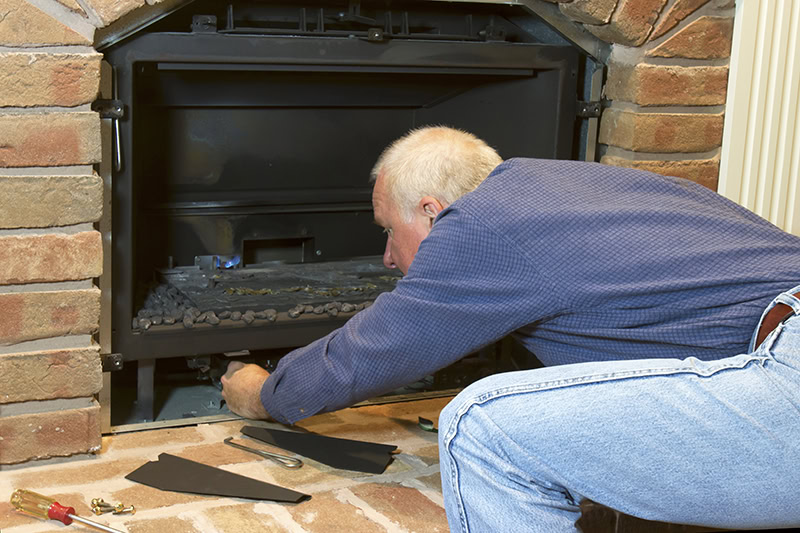
That familiar click and comforting“whoosh!” you expect from your gas fireplace is noticeably absent. Instead of instant warmth, you’re met with frustrating silence.
You’re not alone! While gas fireplaces offer plenty of convenience, these friendly and reliable appliances can sometimes experience hiccups.
The good news? You can address many common gas fireplace issues with a few simple checks. Your local fireplace experts right here at Design Air, serving Missoula, MT, and the surrounding communities, have put together this easy-to-follow guide to walk you through some of the most frequent gas fireplace problems.
Here are some practical DIY checks and essential maintenance tips to keep your hearth humming beautifully.
However, please remember this crucial point: gas appliances involve both fuel and electricity. If you ever feel uncomfortable or unsure about any step, immediately stop what you’re doing and call for one of our qualified HVAC technicians or gas fireplace professionals in the Missoula County area.
Your safety is our top priority. If you encounter any of these situations or simply want the peace of mind of professional expertise, don’t hesitate to reach out to our friendly team at Design Air for a free, no-obligation consultation on your next home project.
Now, let’s get to troubleshooting!
Your Gas Fireplace Won’t Ignite
Where’s the whoosh? Your gas fireplace refuses to light. Here’s where to start your investigation:
Fireplace Pilot Light Issues
Many older gas fireplaces rely on a continuously burning pilot light to ignite the main burner.
- DIY Check: Carefully follow the manufacturer’s instructions for relighting the pilot light. This typically involves turning a gas control knob to the “pilot” setting, pressing and holding an igniter button, and then holding the gas control knob down for a short period after the pilot ignites.
- When to Call the Professionals: If the pilot light repeatedly goes out, won’t light at all, or exhibits a weak or yellow flame, there could be a problem with the thermocouple, the pilot assembly itself, or even the incoming gas pressure. These issues require the trained eyes and tools of a professional technician.
Fireplace Thermocouple Troubles
The thermocouple is a crucial safety sensor that confirms the pilot light is lit. If it doesn’t sense the flame, it automatically shuts off the gas supply to prevent leaks.
- DIY Check: Sometimes, a slightly dirty thermocouple tip can interfere with its ability to sense the flame. With the gas completely turned off and the area fully cool, you can gently try cleaning the very tip of the thermocouple with fine steel wool.
- When to Call the Professionals: If cleaning doesn’t solve the problem, the thermocouple likely needs replacement by a qualified technician to ensure safe and reliable operation. Ready to request service? Schedule service online!
Power Supply Problems With Fireplace
Modern gas fireplaces often feature electronic ignition systems that require a reliable electrical connection.
- DIY Check: First, ensure the fireplace is securely plugged into a functioning outlet. Next, check your home’s circuit breaker to see if the corresponding breaker has tripped. If your unit uses backup batteries, try replacing them with fresh ones.
- When to Call the Professionals: If the power supply is confirmed to be working correctly and your fireplace still won’t ignite, the issue could lie with the igniter itself, the control module, or other internal electrical components. These repairs require professional expertise.
Fireplace Gas Valve Checks
The gas valve is the control center for the gas flow to both the pilot and the main burner.
- DIY Check: Ensure that the main gas shut-off valve leading to your fireplace is fully open. This valve is usually located near the fireplace or along the gas line.
- When to Call the Professionals: Never attempt to repair or adjust the gas valve yourself. This is a critical safety component, and any work on it should only be performed by a licensed and qualified professional.
Dirty Burner Ports in Gas Fireplace
Small holes or slots (ports) on the burner distribute the gas for combustion. Dust, debris, or even spider webs can clog these ports, leading to poor flame quality and reduced efficiency.
- DIY Check: With the gas supply completely turned off and the fireplace entirely cool, carefully inspect the burner ports for any visible obstructions. Using a soft brush or the narrow attachment of your vacuum cleaner, you can gently try to clear away any loose debris. Always refer to your owner’s manual for specific cleaning instructions for your unit.
- When to Call the Professionals: If cleaning the burner ports doesn’t significantly improve the flame quality, the problem might stem from incorrect gas pressure or an improper air-to-fuel mixture. These adjustments require specialized tools and knowledge and should be handled by a qualified technician.
Strange Smells: Odors Coming From Your Gas Fireplace
While a faint burning smell might be normal during the initial uses of the season as accumulated dust burns off, other odors should raise a red flag.
- Temporary Dust Burning: If your fireplace hasn’t been used for an extended period, a temporary burning dust smell upon initial use is often normal and should dissipate quickly. Ensure the area around the fireplace is clean.
- Persistent or Unusual Smells: If the smell persists or is anything other than a brief dust-burning odor, it’s time to call the experts at Design Air in Missoula, MT, to diagnose the issue.
If you detect the distinct smell of gas (often described as rotten eggs), do not take any chances. Immediately extinguish any flames (if lit), do not attempt to light the fireplace, and evacuate the area. From a safe location, call your local gas company or 911 immediately. Do not re-enter the area until it has been declared safe by trained professionals.
DIY Gas Fireplace Care
Regular, proactive maintenance is key to preventing many common gas fireplace problems and ensuring safe, efficient operation.
- Regular Visual Inspections: Periodically examine the artificial logs for any signs of damage, cracking, or improper placement (always refer to your owner’s manual for correct log arrangement). Also, visually inspect the area around the burner for any loose debris or obstructions.
- Clean the Glass Enclosure: Regularly clean the glass enclosure with a specialized fireplace glass cleaner to maintain optimal visibility and heat transfer. Always ensure the glass is completely cool before cleaning to avoid cracking.
- Annual Professional Servicing: We strongly recommend scheduling an annual inspection and cleaning by our qualified gas fireplace technicians serving the greater Missoula County area. During this service, they will thoroughly check gas connections, burner efficiency, venting, and all critical safety systems to ensure everything is functioning correctly and safely.
Your Trusted Gas Fireplace Service Experts
While some basic troubleshooting can be done yourself, remember that gas appliances require careful attention to safety. Never attempt repairs or modifications you are uncomfortable with or unsure about.
When in doubt, always err on the side of caution and call the qualified professionals at Design Air.
We are dedicated to ensuring your gas fireplace provides reliable warmth and a cozy ambiance for years to come. For prompt and reliable gas fireplace service in Missoula, MT, and all the neighboring communities, call us today at 406-251-7997 or request service online. We’re here to keep your home warm and safe!