
Building a New Deck or Fence? How to Safely Remove, Reinstall, or Relocate Your HVAC System
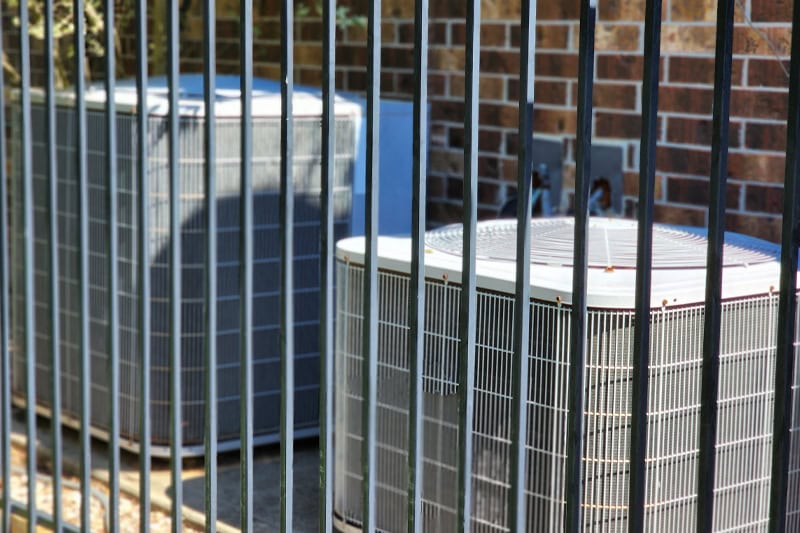
Planning a new deck, patio, or fence is an exciting upgrade that can transform your outdoor space. But if your HVAC equipment is located in the way—such as an outdoor condenser sitting where your deck posts need to go—it can quickly become a costly and confusing obstacle.
The good news? You don’t have to redesign your project around your HVAC system. With help from Design Air, homeowners around Missoula, MT, can safely remove, reinstall, or fully relocate HVAC equipment to accommodate new construction while protecting system performance, efficiency, and warranties.
Below, we’ll explain when HVAC relocation is necessary, why it must be handled by professionals, and how Design Air makes the process seamless from start to finish.
Why HVAC Systems Often Interfere With Decks and Fences
Outdoor HVAC components—such as air conditioners, heat pumps, and ductless mini split condensers—are often installed in locations that later conflict with home improvement projects. Common scenarios include:
- A deck extension will obstruct required airflow clearances.
- Planned fence posts will be too close to HVAC equipment.
- New patios or walkways to be installed over the existing condenser pad.
- Backyard redesigns requiring better aesthetics or accessibility.
Building around HVAC equipment without proper planning can lead to serious problems, including restricted airflow, reduced efficiency, code violations, and premature system failure.
That’s why HVAC relocation should always be addressed before construction begins.
HVAC Removal vs. Reinstallation vs. Full Relocation: What’s the Difference?
Every project is different, and Design Air offers solutions based on your exact needs.
Temporary HVAC Removal and Reinstallation
If your deck or fence installation only affects the HVAC system for a short time, a temporary removal may be the best option. This involves:
- Safely disconnecting the outdoor unit.
- Preserving refrigerant and electrical components.
- Protecting the system during construction.
- Reinstalling the unit once work is complete.
This option is ideal when the HVAC system will return to its original location after construction.
Partial HVAC Relocation
In some cases, the HVAC unit only needs to be shifted a few feet to maintain proper clearances. This may involve:
- Moving the condenser to a nearby location.
- Installing a new concrete or composite equipment pad.
- Adjusting refrigerant line sets and electrical connections.
Partial relocation can help homeowners meet code requirements while keeping costs lower than a full system move.
Full HVAC System Relocation
If your outdoor renovation permanently impacts the original HVAC location, full relocation may be necessary. This includes:
- Selecting a new code-compliant location.
- Extending or rerouting refrigerant lines.
- Updating electrical connections and disconnects.
- Rebalancing and testing system performance.
Design Air ensures the new location meets manufacturer specifications for airflow, service access, noise levels, and long-term reliability.
Why HVAC Relocation Requires a Licensed Professional
Moving HVAC equipment isn’t just about lifting and repositioning heavy machinery. Improper handling can lead to:
- Refrigerant leaks
- Compressor damage
- Electrical hazards
- Voided manufacturer warranties
- Failed inspections
- Code violations
Licensed HVAC professionals understand how to safely disconnect, transport, and recommission systems without compromising performance. Design Air follows all local codes, industry standards, and manufacturer guidelines, giving homeowners peace of mind during their renovation.
How Design Air Coordinates With Your Contractor
One of the biggest challenges homeowners face is coordinating multiple contractors. Design Air simplifies the process by working directly with your deck builder, fencing contractor, or general contractor.
This coordination ensures:
- HVAC removal happens before construction begins.
- Equipment is protected during the build.
- Reinstallation or relocation aligns with project timelines.
- No delays due to last-minute HVAC issues.
By handling the HVAC portion professionally, your entire renovation stays on track.
Key Factors Considered During HVAC Relocation
When relocating your system, Design Air evaluates several critical factors:
- Clearance requirements: Ensuring proper airflow and service access.
- Noise considerations: Positioning units to minimize disruption.
- Drainage and elevation: Preventing water damage or flooding.
- Electrical capacity: Verifying safe and code-compliant connections.
- Efficiency impact: Maintaining or improving system performance.
Every decision is made with long-term comfort, efficiency, and reliability in mind.
Can HVAC Relocation Improve Efficiency or Appearance?
Yes—relocating your HVAC system can actually be an opportunity to improve both efficiency and aesthetics.
Homeowners often choose relocation to:
- Hide equipment from view.
- Reduce noise near outdoor living areas.
- Improve airflow by moving units out of confined spaces.
- Prepare for future upgrades or landscaping.
Design Air helps homeowners select optimal locations that balance performance with curb appeal.
Plan HVAC Relocation Early to Avoid Costly Delays
One of the most common renovation mistakes is waiting until construction is underway to address HVAC conflicts. This can lead to rushed decisions, increased costs, or stalled projects.
If you’re planning a deck, fence, or outdoor remodel, contacting Design Air early allows for:
- Accurate cost estimates.
- Proper permitting if required.
- Seamless scheduling with other contractors.
- Fewer surprises (or delays) during construction.
Trust Design Air for HVAC Relocation Done Right
Whether you need temporary HVAC removal, partial repositioning, or a full system relocation, Design Air has the expertise to protect your investment and keep your home comfortable.
Our team handles every step—from planning and coordination to safe disconnection and precision reinstallation—so you can focus on enjoying your new outdoor space without HVAC worries.
Planning a deck or fence installation near Missoula, MT? Contact the local experts to schedule an HVAC relocation consultation and keep your project moving forward with confidence. Simply call 406-251-7997 or request service online.